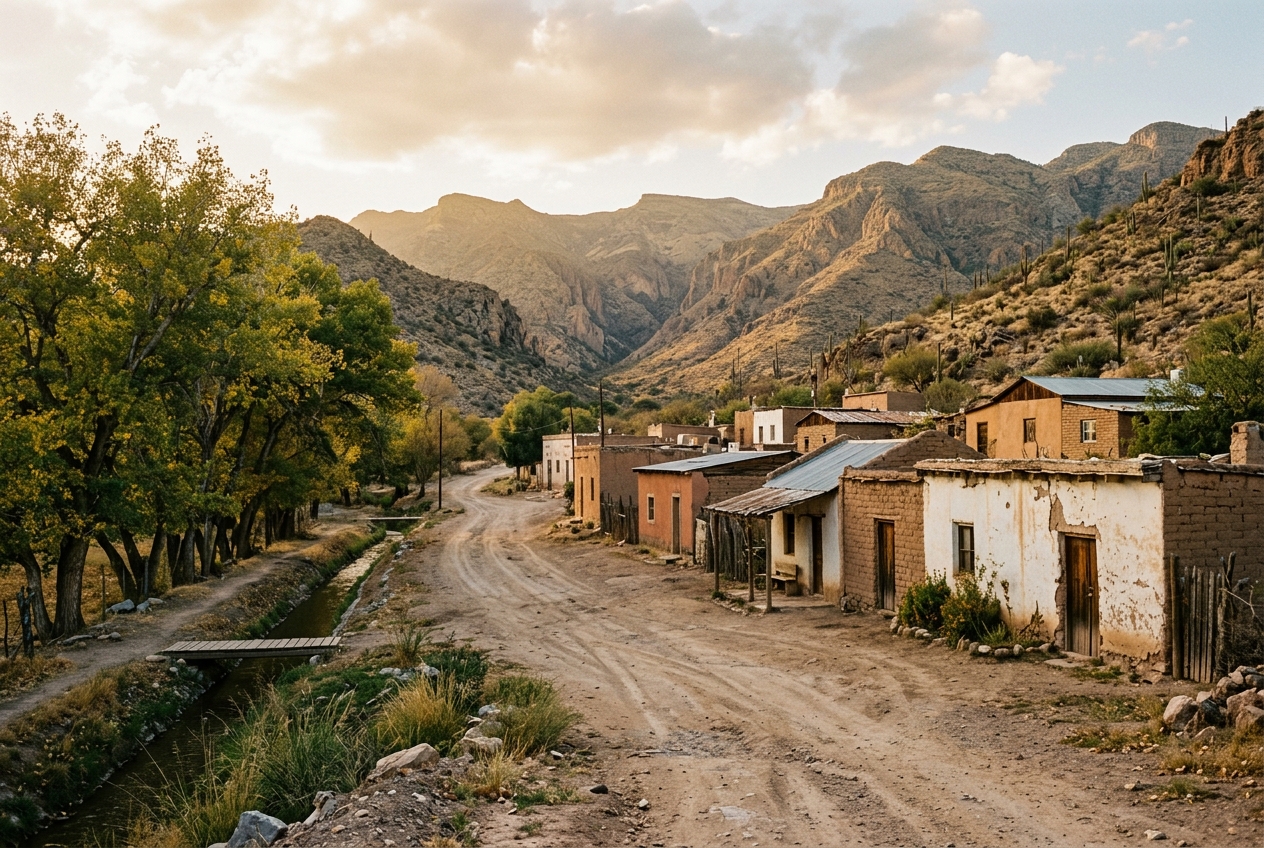
People are surprised that we hold the nineteenth of June out here, in the sierra, in Spanish. They should be more surprised that anyone ever thought we would stop.
Our people were Seminole and they were African, and in Florida those two things were one household. When the United States came for both, some went west on the removal and some kept moving. In 1850 our ancestors crossed the Rio Grande with Wild Cat and John Horse — Juan Caballo, as he is written here — because Mexico had abolished slavery and would not send us back. In exchange we took up arms against the raids on the northern frontier, and the government granted us this land. We have been on it since.
That is why the nineteenth matters differently to us than it does to you. We did not receive our freedom by proclamation. We walked out and negotiated for it, and then we defended a border to keep it. When we celebrate, we are not commemorating something that was given. We are marking something that was taken back.
The day itself is not a spectacle. There is Mass, and then there is the pit — asado, tetapún baked in the ashes, capirotada. The old songs are in a language the young people are only now learning again: Afro-Seminole Creole, which the linguists came to record when they realised how few of us still hold it. My grandmother sang in it and spoke Spanish at the market and never thought either was remarkable.
Visitors have come for some years now, and we have learned which ones we want back. The ones who ask before they film. The ones who eat what is served. The ones who understand that our cousins in Brackettville, Texas, are the same family split by a river, and who go and see that cemetery too.
We ask three things. Come on the nineteenth, not around it. Bring nothing to give the children — bring what the committee asks for the museum instead. And do not call us a lost tribe. We know exactly where we are. It is the rest of the world that lost track of us.
Community Impact
Sixty-eight percent of the fee is paid to the Mascogo community's own committee and allied cultural funds, currently underwriting the Juneteenth observance, Afro-Seminole Creole language recording, and the community museum at El Nacimiento.
Our Partnership PrinciplesExperience this culture
Juneteenth at El Nacimiento — Four Days in Coahuila
El Nacimiento de los Negros, Múzquiz, Coahuila, Mexico · decided by The Mascogo community committee at El Nacimiento and the ejido authority. Available from the Horizon Fellow tier.
View the tier